Why four inches is the residential standard
Four inches of concrete on a good base handles the math of daily life: passenger cars and SUVs, delivery vans, the occasional loaded moving truck. It's the number the residential industry builds to because it answers that load with room to spare — when the base underneath it is compacted stone instead of wishful thinking.
The qualifier is the whole ballgame. The same four inches that lasts decades over compacted crusher run can crack across its panels over loose fill inside a couple of Shelby County-style wet winters. Thickness gets the credit; the base does the work.
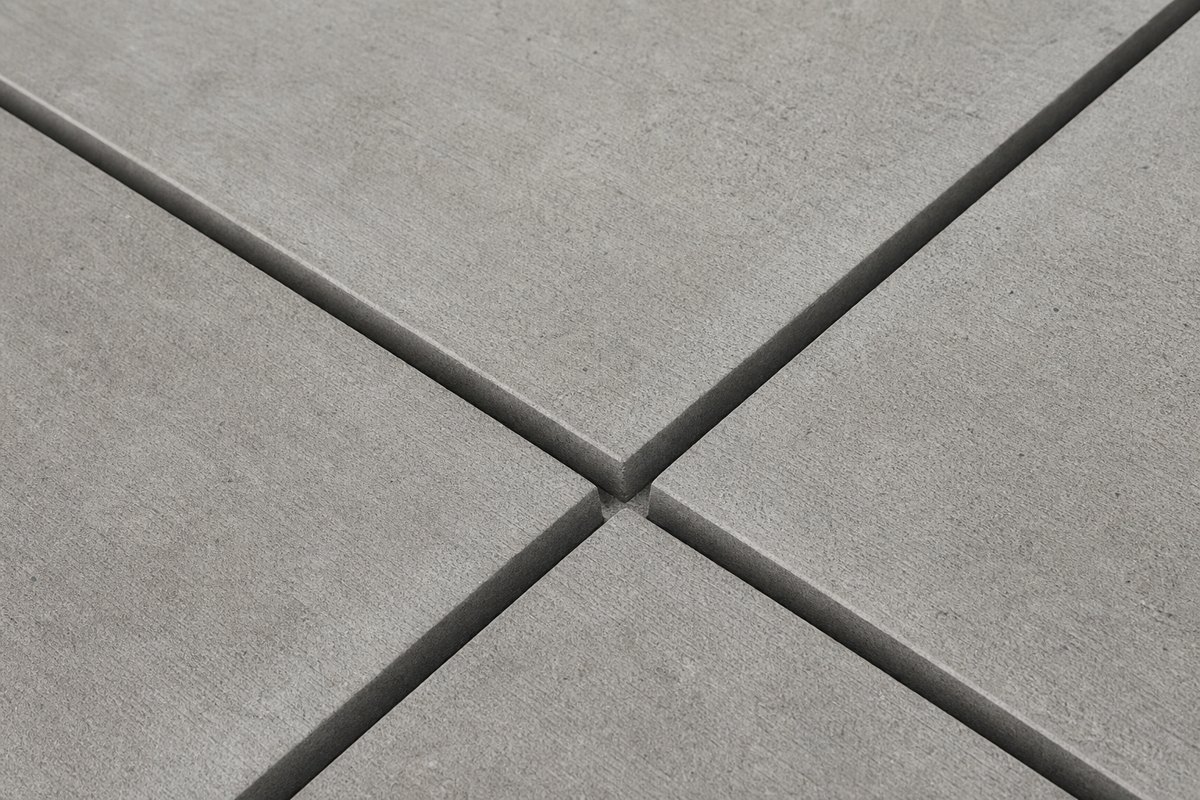
When to go thicker
Heavier vehicles on a daily schedule are the honest reason to add an inch: three-quarter-ton trucks with real loads, work vans, car trailers, campers. Weight isn't the only factor — where the load sits matters, too. A trailer tongue parked in the same spot every night puts more demand on one square foot of slab than the truck does across four tires.
If the driveway will regularly host anything heavier than a passenger vehicle, say so at the estimate. Thickness decided before the pour is a line item; thickness decided after the pour is a demolition.
Aprons and edges take more
Two spots on almost every driveway get the six-inch treatment regardless of what parks in the field. The first is the apron — the strip at the street — where every entering vehicle turns its wheels, concentrates its load at the curb line, and where the street's drainage passes by. The second is anywhere the slab edge meets dirt, because edges take the abuse nobody plans: the mower, the missed tire, the freeze at the boundary.
Thickened edges are standard practice for exactly this reason. A driveway's field can be four honest inches while its apron and its borders carry six, and the whole slab reads one number on the invoice: built for its job.
Thickness is only part of the answer
A thick slab on a bad base is still a failing slab — it just takes longer to announce it. The system is what carries: the base that spreads the load and manages the water, the reinforcement that ties the slab across the clay's movement, the joints that give that movement a planned address, and the thickness that matches the whole assembly to its job.
That's also why thickness conversations at estimates sound repetitive: the question isn't just "how thick?" but "what's under it, what's in it, and where are the joints?" Four honest answers beat one big number.
How thickness gets decided at the estimate
The sequence is simple and always the same. What parks on it — daily and worst-case. Where it parks — the field, the turn at the apron, the spot by the shop door. What the ground under it is — clay condition, drainage, existing slab history if it's a replacement. Then thickness, base, reinforcement, and joints come out of those answers as one plan.
Any contractor who quotes a thickness before asking what will sit on the slab is quoting a habit, not a plan. It's the first question we ask, and the last one we stop asking.
At a glance
| Thickness | What it's built for |
|---|---|
| 4 inches | Passenger cars and light daily use — the residential standard minimum |
| 5 inches | Heavier daily trucks, routinely loaded vehicles, long drives with heavy use |
| 6 inches | Aprons and curb lines, RVs and equipment, places where loads concentrate |
Thickness by what it's built for
Local angle
What this means in The Shoals
Between the clay under us and the truck culture around us, the honest default in this part of Alabama is a four-inch field with six at the apron and the heavy spots — on compacted stone, reinforced, and jointed on a plan. That's the spec we bring to every Florence-area estimate, adjusted only by what you tell us is parking on it.